


Ways to Make the Windows 10 Taskbar Smaller
The Windows 10 taskbar is a central part of the desktop experience. It provides quick access to apps, system notifications, the Start menu, and open windows. While the default taskbar size works well for many users, others prefer a smaller taskbar to maximize screen space, especially on laptops or smaller monitors.
This comprehensive guide explains how to make the taskbar smaller on Windows 10, the available built-in options, advanced methods, and important considerations before making changes.
Understanding Taskbar Size in Windows 10
Unlike earlier Windows versions, Windows 10 does not provide a simple slider to resize the taskbar icons. However, it does include settings that allow you to reduce the overall size indirectly.
The taskbar size is influenced by:
-
Icon size
-
Taskbar height
-
Screen resolution and scaling
-
System font settings
By adjusting these factors, you can achieve a more compact taskbar.
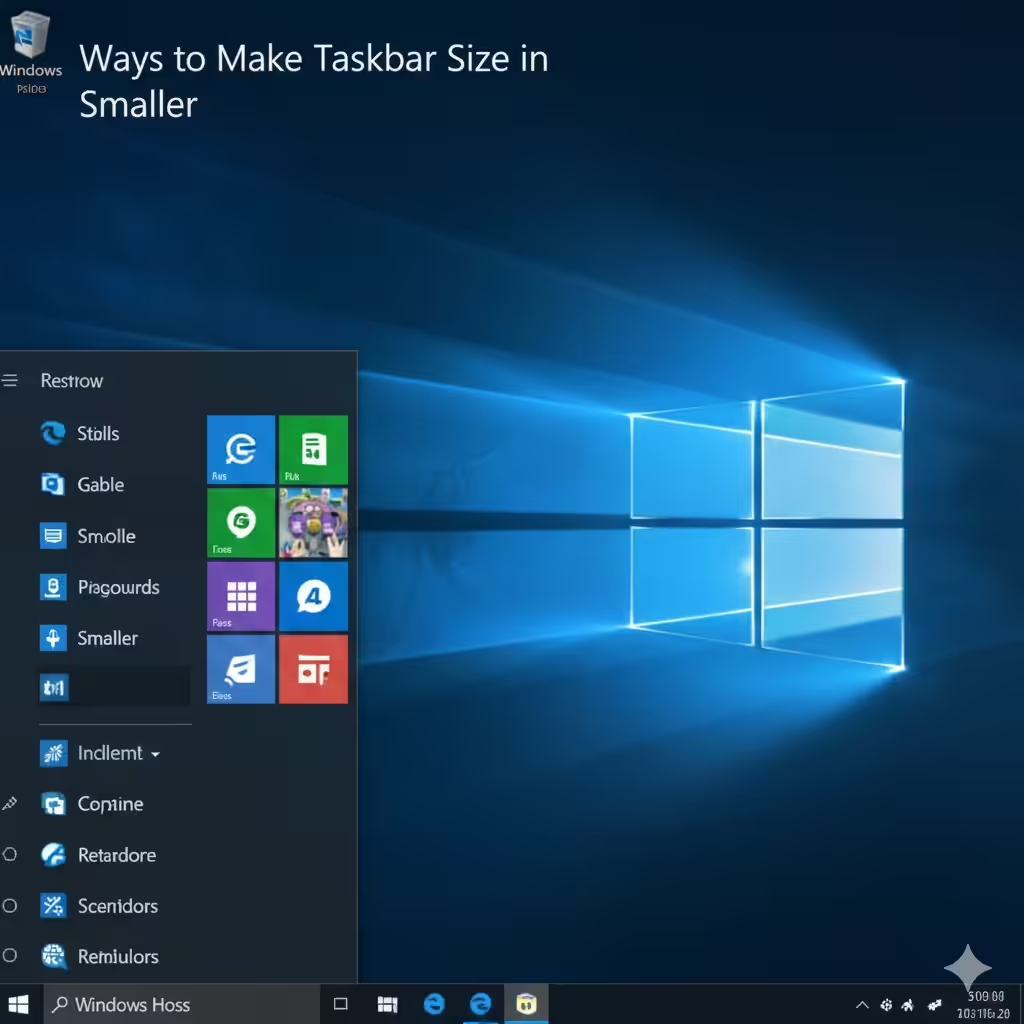
Method 1: Use Small Taskbar Buttons Setting
This is the easiest and safest method.
What This Setting Does
The “Use small taskbar buttons” option:
-
Reduces the height of the taskbar
-
Shrinks taskbar icons
-
Keeps all functionality intact
This method does not require advanced system changes.
Why This Is the Best Starting Point
It is:
-
Built into Windows
-
Easy to enable or disable
-
Completely safe
For most users, this option provides the desired result.
Method 2: Manually Resize the Taskbar
Windows allows limited manual resizing.
How Manual Resizing Works
You can adjust taskbar height by:
-
Unlocking the taskbar
-
Dragging its top edge
Limitations
-
Only vertical resizing is possible
-
Icons do not scale dynamically
-
Works best when small buttons are enabled
This method is useful but not precise.
Method 3: Adjust Display Scaling Settings
Display scaling affects the size of everything on the screen, including the taskbar.
Why Scaling Impacts Taskbar Size
When scaling is reduced:
-
Icons appear smaller
-
Taskbar height decreases
-
More content fits on the screen
Important Note
Changing scaling affects:
-
Text size
-
App interfaces
-
Overall usability
This method should be used carefully.
Method 4: Change Screen Resolution
Higher screen resolutions can make the taskbar appear smaller.
How Resolution Affects the Taskbar
Increasing resolution:
-
Shrinks UI elements visually
-
Makes icons and taskbar thinner
When to Use This Method
-
If your monitor supports higher resolutions
-
If text remains readable after the change
Resolution changes affect the entire display, not just the taskbar.
Method 5: Use Registry Editor to Make Taskbar Smaller
Advanced users can modify the Windows Registry for more control.
Why Registry Changes Work
The Registry stores taskbar layout values that control icon size and spacing.
Important Warning
Editing the Registry incorrectly can cause system issues. Always back up the Registry before making changes.
This method is recommended only for experienced users.
Method 6: Adjust System Font Size
System font size influences taskbar elements.
How Font Size Affects Taskbar Appearance
Smaller fonts:
-
Reduce text size on taskbar
-
Create a more compact look
This can subtly reduce taskbar height without major layout changes.
Method 7: Enable Auto-Hide Taskbar
While this does not technically shrink the taskbar, it frees screen space.
How Auto-Hide Helps
-
Taskbar disappears when not in use
-
Reappears when you move the cursor to the edge
-
Maximizes available screen area
This is useful for small displays.
What You Cannot Do in Windows 10
There are certain limitations.
Unsupported Customizations
Windows 10 does not allow:
-
Custom icon scaling sliders
-
Taskbar transparency size controls
-
Per-monitor taskbar size settings
Third-party tools may offer these features but come with risks.
Using Third-Party Tools to Resize the Taskbar
Some users choose third-party utilities.
Pros
-
Greater customization
-
More precise control
Cons
-
Compatibility issues
-
Security risks
-
Break after Windows updates
Use such tools only from trusted sources.
Common Issues After Making Taskbar Smaller
You may encounter:
-
Icons becoming harder to see
-
Reduced touch usability
-
Text appearing cramped
If this happens, revert changes gradually.
How to Restore Default Taskbar Size
If you are unhappy with the changes:
-
Disable small taskbar buttons
-
Reset display scaling to recommended value
-
Restart Windows Explorer
These steps restore the original appearance.
Best Practices for a Comfortable Taskbar
To maintain usability:
-
Balance size and readability
-
Test changes incrementally
-
Consider your screen size and resolution
-
Avoid extreme registry tweaks
Comfort and productivity should come first.
Frequently Asked Questions
Does Making Taskbar Smaller Improve Performance
No significant performance improvement is expected. The benefit is mostly visual and space-related.
Will Updates Reset Taskbar Settings
Most settings remain, but major updates may restore defaults.
Is This Possible on Windows 11
Windows 11 has different taskbar customization options and limitations.
Conclusion
Making the taskbar smaller on Windows 10 is possible using built-in settings, display adjustments, and advanced customization options. For most users, enabling small taskbar buttons provides a quick and effective solution. More advanced methods, such as registry edits or display scaling, offer additional control but should be used cautiously.